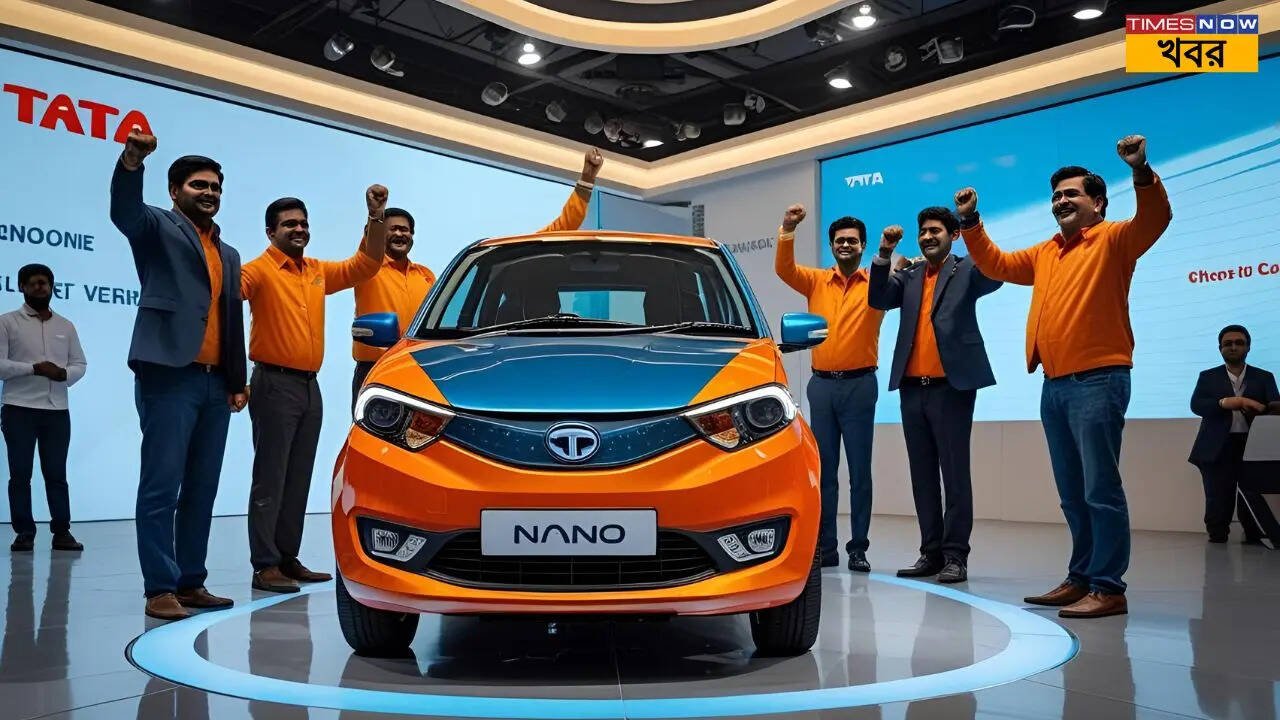
For many Indians, the name Tata Nano still brings back strong memories. It was not just a car, it was an idea—an affordable four-wheeler that could change middle-class mobility. After years of silence, the Nano badge is once again in the spotlight. Reports and industry buzz suggest that Tata Nano 2026 could return as a premium small-size car, possibly priced close to ₹2 lakh, specially targeting first-time buyers and budget-conscious families.
India’s car market has changed massively over the last decade. Safety rules are stricter, customer expectations are higher, and compact cars now need to offer more than just low pricing. Tata Motors understands this shift very well. If Nano returns in 2026, it will not repeat old mistakes. Instead, it is expected to arrive with a modern design, better safety, improved comfort, and efficient performance, while still keeping affordability at the core.
This article explains everything Indian buyers want to know about the possible return of Tata Nano 2026, from design and features to pricing, mileage, and why this car still matters today.
Why Tata Nano Still Matters in India
India is a price-sensitive market, but it is also an aspirational one. Millions of families still travel on two-wheelers, not because they want to, but because a car feels out of reach. Tata Nano was originally built to solve this problem. Even today, the need remains.
With rising fuel prices, crowded cities, and limited parking space, a small, fuel-efficient, easy-to-drive car makes complete sense. If Tata Motors positions Nano 2026 correctly, it can attract:
• Two-wheeler owners upgrading to their first car
• Small families looking for a second vehicle
• Urban users who want low running cost
• Budget buyers affected by rising car prices
The return of Nano is not about nostalgia alone. It is about solving a real problem again, but in a smarter and more premium way.
Expected Design Changes in Tata Nano 2026
The biggest weakness of the old Nano was perception. Many buyers felt it looked too basic. Tata Motors has learned from this and is expected to give the 2026 Nano a fresh and confident design.
The new model may feature a more upright stance, redesigned headlights, body-colored bumpers, and cleaner lines. Instead of looking “cheap,” the focus will likely be on minimal yet modern styling.
The compact size will remain, which is perfect for Indian roads. Narrow streets, traffic jams, and tight parking spaces demand a car that is easy to handle. Nano 2026 is expected to stay true to its small footprint while looking more premium than before.
Interior Comfort and Cabin Feel
Indian buyers today expect comfort, even in entry-level cars. Tata Nano 2026 is likely to surprise people with a much improved cabin experience.
The dashboard design may be simple but practical. Better seat cushioning, improved fabric quality, and smart space usage can make a big difference. Even with its small size, Tata is known for creating roomy cabins, and Nano 2026 could continue that tradition.
Possible interior highlights include:
• Digital instrument cluster
• Mobile charging point
• Front power windows
• Better air-conditioning performance
• Practical storage spaces
The aim will be to make daily city travel comfortable, not luxurious, but definitely satisfying for the price.
Engine and Performance Expectations
Performance does not mean speed for this car. It means smooth driving, low maintenance, and high efficiency. Tata Nano 2026 is expected to come with a small petrol engine, tuned mainly for city usage.
There is also strong discussion around a CNG variant, which would be extremely popular in India due to low running costs. A mild hybrid or electric version is less likely at launch, but Tata may explore these options later.
The engine will likely focus on:
• Easy drivability in traffic
• Low noise and vibration
• Reliable performance for daily use
• Affordable servicing
This approach matches the needs of Indian city users perfectly.
Mileage and Running Cost Advantage
Mileage has always been a strong point for Nano, and the 2026 version is expected to continue this legacy. With a lightweight body and small engine, the car could deliver excellent fuel efficiency, especially in city conditions.
Expected mileage figures may range between 22 to 28 kmpl for petrol, depending on driving style and traffic. If a CNG version is introduced, running costs could drop significantly, making it one of the most economical cars in India.
Low fuel consumption combined with Tata’s affordable service network can make Nano 2026 a budget-friendly long-term choice.
Safety Upgrades for Modern Standards
Safety regulations in India are much stricter now than before. Tata Motors has already proven its commitment to safety with models like Tiago, Punch, and Nexon. Nano 2026 will also need to meet these expectations.
The new Nano is expected to include essential safety features such as:
• Dual front airbags
• ABS with EBD
• Stronger body structure
• Seatbelt reminder system
• Improved braking performance
While it may not be a 5-star safety car, it will certainly be much safer than the older version, which is crucial for winning customer trust.
Pricing Strategy and ₹2 Lakh Buzz
The biggest talking point around Tata Nano 2026 is its expected price. The figure of ₹2 lakh has created excitement, especially among budget buyers. However, this price may apply to a base variant, with higher trims costing slightly more.
Even if the final on-road price goes above ₹2 lakh, Nano 2026 would still remain one of the most affordable four-wheelers in India. Tata Motors may also introduce flexible financing options, low EMI plans, and exchange benefits to attract first-time buyers.
The pricing strategy will be crucial. If Tata balances features and affordability well, Nano 2026 can create a strong impact.
Target Buyers and Market Position
Nano 2026 is not meant to compete with premium hatchbacks. Its real competition will be two-wheelers and entry-level used cars. Tata Motors may position it as a safer, more comfortable alternative to bikes and scooters.
The ideal buyer profile includes:
• First-time car owners
• Small families
• Senior citizens
• City commuters
• Budget-focused customers
By focusing on real needs instead of flashy marketing, Tata can connect emotionally with Indian buyers again.
Why 2026 Is the Right Time for Nano’s Return
The Indian auto market is going through a transition. While SUVs dominate headlines, there is still a massive unmet demand at the bottom end of the market. Rising prices have pushed many buyers out of the new-car segment.
Nano 2026 could fill this gap perfectly. With better design, improved safety, and smarter features, it can offer value without compromise. Tata Motors also enjoys strong brand trust today, which was not as strong during Nano’s first launch.
Timing, maturity, and experience are all in Tata’s favor now.
Final Thoughts
Tata Nano 2026 is more than just a car comeback. It represents a fresh opportunity to redefine affordable mobility in India. If Tata Motors delivers a well-built, safe, and practical small car at an accessible price, Nano can once again become a household name.
The dream of owning a car should not feel distant for millions of Indians. With the right approach, Tata Nano 2026 could turn that dream into reality—quietly, sensibly, and smartly.