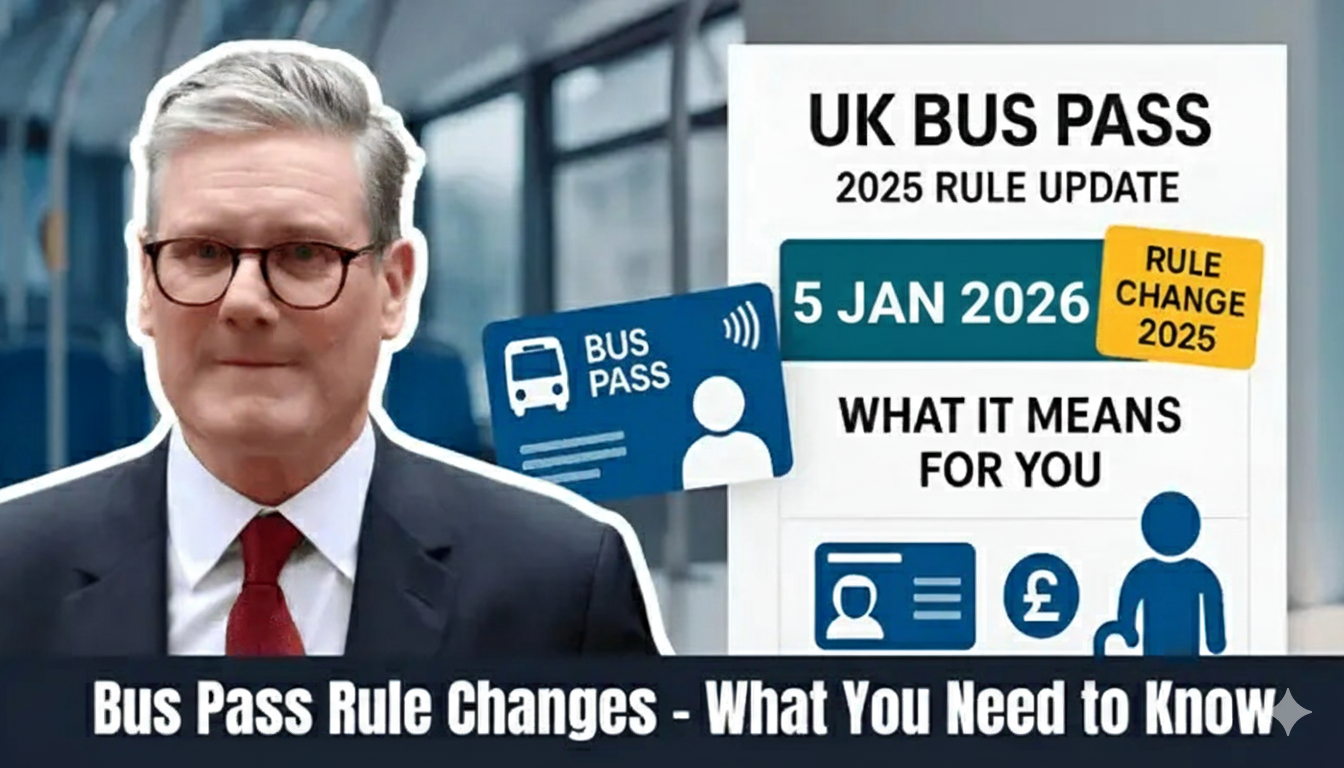
From 5th January 2026, the United Kingdom is set to introduce important changes to its national bus pass scheme. Millions of older people, disabled residents, and regular public transport users are expected to be affected by these updates. While free bus travel will continue to exist, the rules around eligibility, usage times, digital access, and regional flexibility are being adjusted to reflect changing travel patterns and rising transport costs.
The UK government says these changes are aimed at making the system fairer, more sustainable, and better suited to modern travel needs. However, for many pass holders, understanding what is changing and how it may affect their daily journeys is essential.
This article explains everything in clear detail, including who will be affected, what rules are changing, and what bus pass holders should do before January 2026.
Why Bus Pass Rules Are Being Updated
The current bus pass system was designed many years ago when commuting habits and population needs were very different. Since then, the UK has seen an ageing population, increased demand on local transport budgets, and significant changes in how people travel for work, healthcare, and social activities.
Local councils have also faced financial pressure, making it harder to maintain services at the same level. According to transport authorities, updating the rules is necessary to protect the long-term future of free bus travel while still supporting those who rely on it most.
The government has stressed that the changes are not about removing support but about modernising the system so it works better for everyone.
Who Is Eligible Under the New Rules
From January 2026, eligibility for a bus pass will remain largely the same, but with clearer definitions and checks.
People who reach the State Pension age will continue to qualify for an older person’s bus pass. Disabled residents who meet specific criteria will also remain eligible. However, councils will introduce stricter verification processes to ensure passes are issued only to those who qualify.
This may include updated proof of age, residency, or disability status. Some applicants may be asked to renew documentation more frequently than before, especially if their circumstances change.
For most current pass holders, eligibility will not suddenly end, but staying up to date with local council communications will be important.
Changes to Travel Times Explained
One of the most discussed updates involves travel time restrictions. Currently, free bus travel in England generally starts from 9:30am on weekdays and lasts all day on weekends and public holidays.
From January 2026, some local authorities will be given greater flexibility to adjust these time windows. In certain areas, off-peak travel may begin slightly later in the morning or include short exclusions during high-demand periods.
This does not mean free travel is ending, but it does mean that rules may differ depending on where you live. Scotland, Wales, and Northern Ireland are expected to retain broader travel hours, but England will see more regional variation.
Passengers are advised to check local council transport websites well in advance.
Digital Bus Passes Become More Common
A major part of the 2026 update is the push towards digital bus passes. While physical passes will still be available, councils will increasingly encourage the use of digital versions stored on smartphones or smartcards.
Digital passes are designed to reduce fraud, make renewals easier, and allow quicker updates if rules change. For tech-savvy users, this could mean less paperwork and faster access to services.
However, the government has confirmed that people without smartphones will not be excluded. Physical passes will continue for those who prefer them, especially older residents who are less comfortable with digital technology.
Support services will also be provided to help people switch if they choose to.
Regional Differences You Should Know About
One important point is that bus pass rules are not identical across the UK. From 2026, regional differences may become more noticeable.
In England, local councils will have more control over how passes are used within their areas. This could affect travel times, routes included, and cross-boundary travel.
Scotland is expected to continue offering free bus travel with fewer restrictions, especially for older and young passengers. Wales is also likely to maintain its existing generous scheme. Northern Ireland operates under a different system and will announce its own updates separately.
If you regularly travel between regions, it will be especially important to understand where your pass is valid.
Impact on Cross-County and Long-Distance Travel
Currently, many bus pass holders enjoy free travel across council boundaries within England. From January 2026, some councils may limit this benefit to reduce costs.
This means free travel could be restricted to your home authority during certain times. While nationwide access will not disappear entirely, there may be conditions attached in some regions.
Long-distance bus journeys could also see more checks, with drivers using updated scanning systems to confirm pass validity.
Regular travellers should keep an eye on announcements from their local transport authority to avoid surprises.
What Disabled Pass Holders Need to Know
For disabled residents, the government has confirmed that protections will remain strong. Free travel rights will continue, and companion travel support will not be removed where it currently exists.
However, eligibility assessments may become more standardised across councils. This could mean clearer criteria but also more formal reviews in some cases.
The aim is to ensure consistent treatment nationwide while preventing misuse of the scheme. Disabled passengers are encouraged to keep medical or eligibility documents up to date to avoid delays during renewals.
How These Changes Affect Daily Life
For many older people, the bus pass is more than just a travel benefit. It provides independence, social connection, and access to essential services such as GP appointments, shopping, and community activities.
Any change, even a small one, can feel worrying. That is why understanding the new rules early is so important. While most people will still be able to travel for free, planning journeys around updated time restrictions may become necessary in some areas.
Local councils say they will provide clear notices, online tools, and customer helplines to support residents through the transition.
What You Should Do Before January 2026
Bus pass holders do not need to take immediate action, but staying informed is key. Over the next year, councils will begin sharing detailed information about how national changes will apply locally.
You should make sure your contact details with the council are correct, especially if you receive postal updates. If you are comfortable using digital services, you may also want to explore whether a digital bus pass is right for you.
If you are approaching State Pension age in 2025, it is a good idea to check application timelines so you are not caught out by updated processes.
Government Response and Public Reaction
The government has said it understands public concern and insists that free bus travel is not being taken away. Officials argue that these changes will help protect the scheme for future generations.
Public reaction has been mixed. Some welcome the move towards digital services and clearer rules, while others worry about reduced flexibility and regional differences.
Transport charities have called for strong communication and support, particularly for vulnerable users who rely heavily on public transport.
Final Thoughts
The UK bus pass rules changing from January 2026 mark a significant update to a scheme that millions depend on. While the core benefit of free travel remains, the way it works will become more modern, more regional, and more structured.
By staying informed and understanding how local rules may change, bus pass holders can continue to enjoy the freedom and independence that public transport provides.
As more official details are released, keeping an eye on council announcements will be the best way to stay prepared for the year ahead.